How To Tell If You're Prepared For Boarding Up Windows And Doors
Boarding Up Windows and Doors Before a Storm Hits The act of boarding up your windows and doorways before the storm hits can offer measurable protection against damage. To do this, you should have a few items on the go. Take measurements of the width and height of the window, including the frame (not the trim or the masonry around the window). Keep these measurements in mind so you don't forget. Preparation It is recommended to put up a put up a board on your doors and windows prior to a storm or natural disaster. This will limit property damage and reduce the chance of a fatality. It requires an enormous amount of planning to build a board around windows. You have to buy and measure plywood boards, and you must be aware of the exact dimensions of each window. It takes time to cut and put in the boards correctly. The process can be streamlined by preparing the boards when you learn of a storm approaching your area. You will avoid having to rush in the last minute and make it simpler for you and your employees. Start by listening to the forecasters for weather and follow the guidelines laid out by your local government. The earlier you begin the process the better, as it allows you plenty of time to collect and store the needed materials without feeling strained by a rapidly approaching storm. Depending on the severity of the event, you may require large quantities of plywood to cover all your windows. To ensure you get the correct size, make use of a tape measure to determine the width and height of each window opening. Be sure to include the framing or trim around each window, as well as any ledges that are extended, if necessary. Then, determine the dimensions of the sheets of plywood you require by dividing your window's total width and height by two. For example, if width of your window is 16 inches the thickness of each sheet should be 8 inches. If you have a wood exterior, drill pilot holes in the plywood sheet to align with the window frame beneath to avoid splitting when you screw into the screws. If you have a larger window opening than one sheet of plywood can handle cut two sheets plywood that are half as large as the window you wish to cover. Then, place them side by side on the wall. Then cut a piece of 2 by 4 in (5.1 by 10.2 cm) lumber to the length of the connecting edge of the plywood sheets and then place it over the seam. Then, drive 2.25 in (5.7 cm) screws through the bracing and into the plywood sheet to join them. Materials To ensure security and safety, only use materials that are sturdy and won't break or shatter in high winds. Plywood is a popular material to board up windows. It is easy to use, affordable, and easily available. Choose plywood that is of the exterior grade (CDX) because it is more durable and have less knots and warps. Hurricane or storm shutters are more durable options. They can be put in over windows that are already in place and offer greater protection against broken glasses and weather conditions that can be severe. Once you've identified the location of the window openings, you can take measurements of the height and width to determine the amount of plywood you will require. Use a power drill to make pilot holes in the sheets of plywood around each window at intervals of two inches. Before attaching the plywood, you must identify and mark the locations of studs on the wall to ensure that the boards are fastened securely. If your home has wood siding, look for nailheads that may indicate stud locations. If not, you can look for stud positions with your drill. Make sure you drive the screws into the framing, not the sheathing or trim; A plywood panel that is fastened to these materials could be an hazard during strong winds. If your window is too big for one sheet of plywood, you can cut two pieces of plywood that are each half of the size needed and join them with 2 by 4-inch lumber. Label each sheet of plywood so you know what window it will cover. Make sure you use corrosion-resistant screws that are long enough to penetrate the sheathing and the studs that will be used to join the plywood panels to the wall. To attach the plywood panels to the wall, make use of corrosion-resistant screws that are long enough to penetrate both the sheathing as well as the studs. You should also consider installing polycarbonate security glass similar to DefenseLite on your primary windows. These transparent shields are secured to the existing glass and safeguard your windows and door. They are virtually indestructible and can deter burglars from breaking into the house. Installation If you live or intend to move to an area susceptible to hurricanes and you are worried about the possibility of a storm it is recommended to board up all your windows and doors. It's a project that can be done quickly and efficiently however only if you make the effort to measure, cut and label your plywood before the storm hits. You'll also need a few other tools, like drills (or nails and a hammer for those who don't own the power drill) as well as tape, a saw gloves, a level and safety glasses. It's also a good idea to allow the plywood to be coated with sealant in order to make it waterproof. Start by measuring each window opening's size and height. Then cut the plywood sheets to fit inside the frames. This is best done on the spot since you will can control the exact dimensions. Use a circular saw or track saw to cut the boards to size Be aware that you'll have to sand them off once they've been put in. Once you've got your boards place, screw 3-inch stainless steel hanger bolts into the framing studs of each window. Use washers on each bolt and wing nuts to ensure they are secured. Make sure that each screw penetrates the studs at a minimum of two inches to ensure that the board is strong enough to resist strong winds. 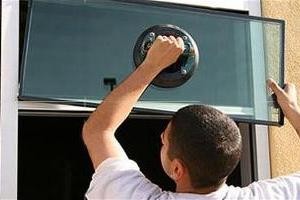 If you're building with concrete blocks, you can join the plywood using pan head screws that are galvanized and that are driven into the overlapping edges of the panels to the masonry or cinder block. It is also necessary to make pilot holes in the masonry and then screw corrosion-resistant screws through the holes. The project could take about three hours for each window. It is important to begin the project as soon when an alert for hurricanes has been issued. This will allow you enough time to complete the project prior to the time when the storm is expected to hit. Maintenance If you're a homeowner or business owner, you should have the necessary materials to secure windows and doors ahead of a severe storm. This will help you avoid costly repairs and safeguard your home from further damage that could be caused by wind, rain, flying objects and other causes. The right tools will make the boarding up process easier and faster to complete. The most important thing is to accurately determine the dimensions of the windows you'll have to cover. emergency boarding up service will ensure that the OSB or plywood fits well and will not fall off easily. If you're using plywood be sure to use exterior-grade sheets and think about adding an extra layer of protection. Mark the places where the screws are going to be inserted into the board once you have measured the OSB or plywood. Utilize a drill to predrill holes at intervals of 12 inches into the plywood. This allows you to securely fasten the boards with hanger bolts in an emergency or disaster. After the storm has passed and you've received the all-clear from local authorities, remove the hanger bolts, but leave them in place for future emergency situations. Next, install the plywood panels over the windows. This is a job for two people So be prepared before you start. If you're using plywood ensure that you sand the edges so that they are smooth and won't scratch paint or trim. Then, attach the plywood to the frame with corrosion-resistant screws that fit into the pilot holes. If your home has shingles made of vinyl on it, then attach the plywood directly to the shingles, and not the wood framing. A window that is boarded up can be used to deter burglars. Burglars will target a building with a window that is broken or one that is not secured. Also, they are more likely to break into the store with a boarded up window than one with. This is something that business owners in retail must take seriously.